Seasons and participation
Life in Grottole follows a strong seasonal rhythm shaped by agriculture, climate, and religious tradition. The year is not divided by abstract seasons, but by what must be planted, harvested, preserved, prepared, and celebrated. These cycles structure both daily work and communal life.
Spring marks a return to the campagna. Fields and gardens are prepared, soil is turned, and planting begins. Fava beans, peppers, tomatoes, and other vegetables are sown primarily for household use rather than sale. This period involves steady outdoor work and frequent exchange—seeds are shared, advice is offered, and progress is compared during brief conversations in the street or at the bar.
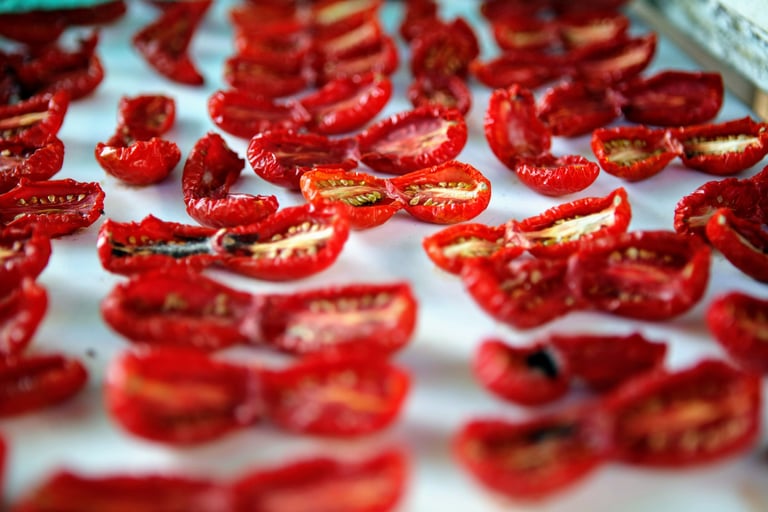
Summer is defined by maintenance and preservation. Gardens require constant attention, and early harvests begin. Tomatoes are prepared and cooked down into passata for the year ahead. Peppers are dried or preserved, often strung and hung outside homes. These tasks are repetitive and time-consuming, often done in groups, with knowledge passed down through practice rather than instruction.
Early autumn brings the grape harvest and wine making. Families gather to pick grapes, crush them, and begin fermentation in cantinas that have been used for generations. This work is physical and communal, involving long days and shared labor. Conversation, food, and routine coexist naturally during this period, reinforcing relationships through repeated collaboration.
Late autumn is dominated by the olive harvest, typically beginning in November. Olives are collected by hand, taken to the local mill, and pressed into oil that will be used throughout the year. This is one of the most important moments in the agricultural calendar, both practically and socially. Time spent harvesting and waiting at the mill becomes a focal point for shared experience.
Winter shifts activity indoors. Sausages are made, cured, and stored. Dried legumes such as fava beans are prepared for long-term use. Food preservation continues quietly, and daily life contracts into homes, cantinas, and small social spaces. Even during colder months, routines continue through shared meals, visits, and ongoing maintenance of what has been prepared.
Religious life is woven throughout these seasonal rhythms. Feast days, processions, and church events punctuate the year and serve as moments of collective participation. These are not performances, but long-standing obligations and traditions carried forward by those who live here. Preparation, attendance, and contribution are assumed parts of village life.
Participation in Grottole
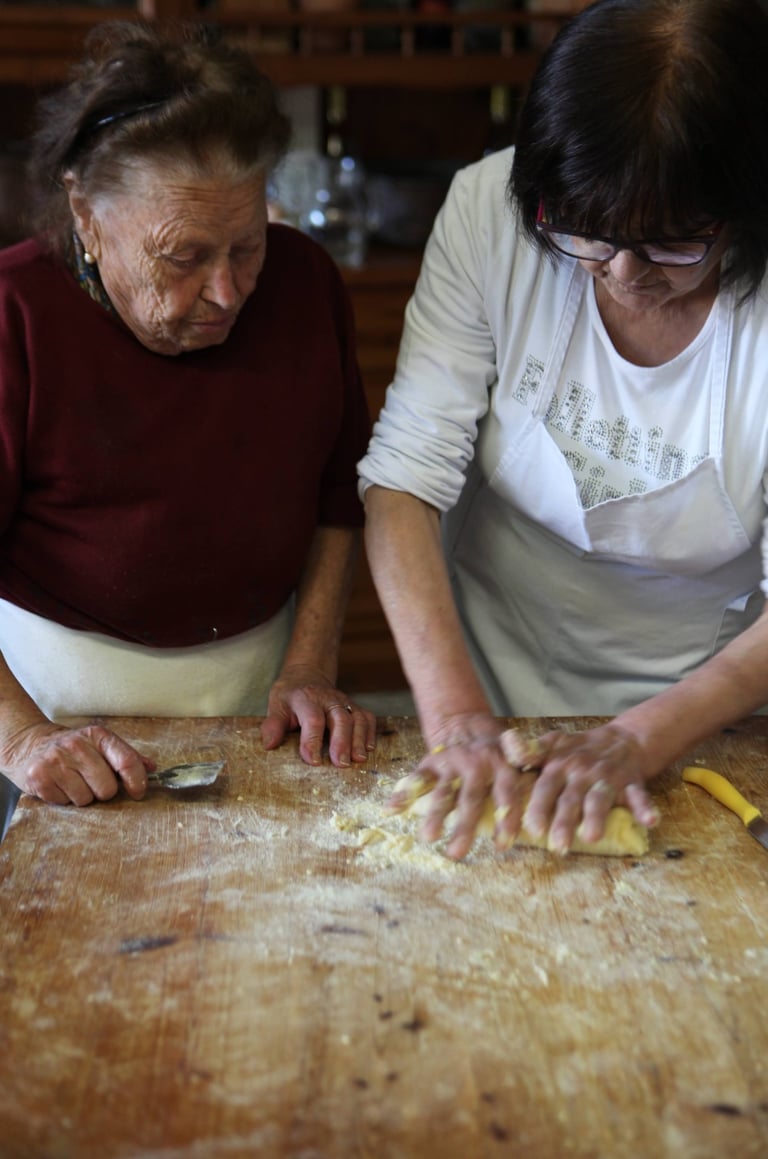
Participation in Grottole is informal and relational. There are no schedules for involvement and no structured roles for outsiders. People become part of village life by showing up, helping when needed, and remaining present over time.
Learning happens through observation and repetition rather than instruction. Trust develops slowly through repeated encounters and shared effort—working in the fields, preserving food, attending religious events, or simply being present in daily routines. Contribution is recognized through consistency rather than announcement.
Community life in Grottole is not built around consuming experiences. It emerges from working the land, preserving food, honoring religious traditions, and maintaining relationships through the steady repetition of seasonal tasks. Understanding this rhythm requires time, patience, and a willingness to participate in the ordinary work that sustains village life.
Festivals & Religious Traditions in Grottole
Life in Grottole is deeply shaped by the rhythm of the church calendar and long-standing village traditions. Some celebrations are quiet and reflective; others completely transform the town. These moments reveal Grottole at its most alive — rooted in faith, family, and community.
⭐ The Most Important Event of the Year
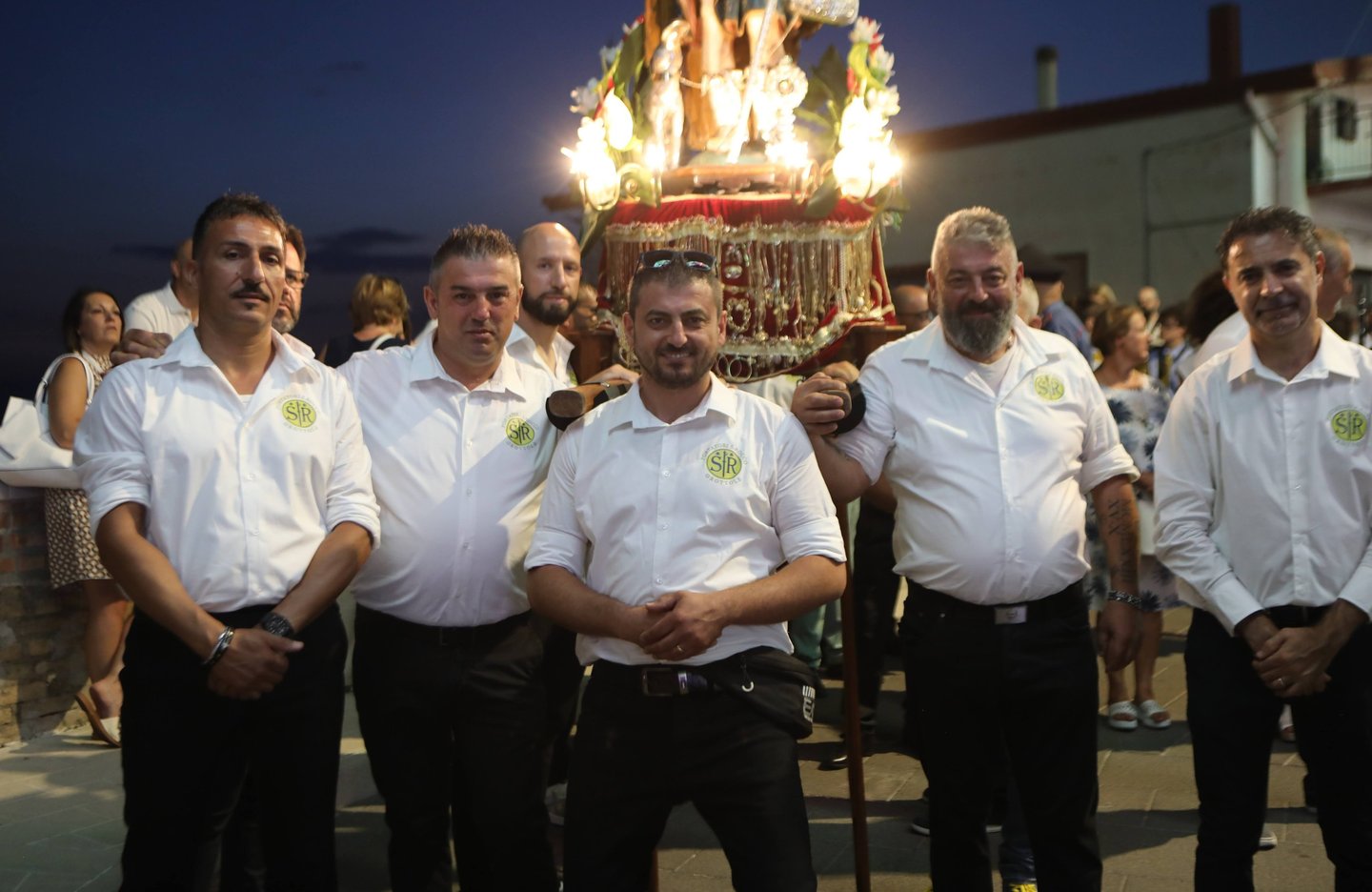
Festa Patronale di San Rocco
Dates: August 15 & 16
Significance: Patron Saint of Grottole
This is the defining event of the year in Grottole.
In mid-August, the town changes completely. Families who live elsewhere return home, extended relatives reunite, and homes that are only opened in summer come back to life. For many, this is the one moment each year when everyone is together again.
During these days:
The streets are crowded from morning until late night
Locals walk in giro — slowly circling the town with friends, stopping to talk, laugh, and greet one another
People stay out late, sitting on steps, leaning out of doorways, socializing well past midnight
There is a strong sense of pride, belonging, and shared identity
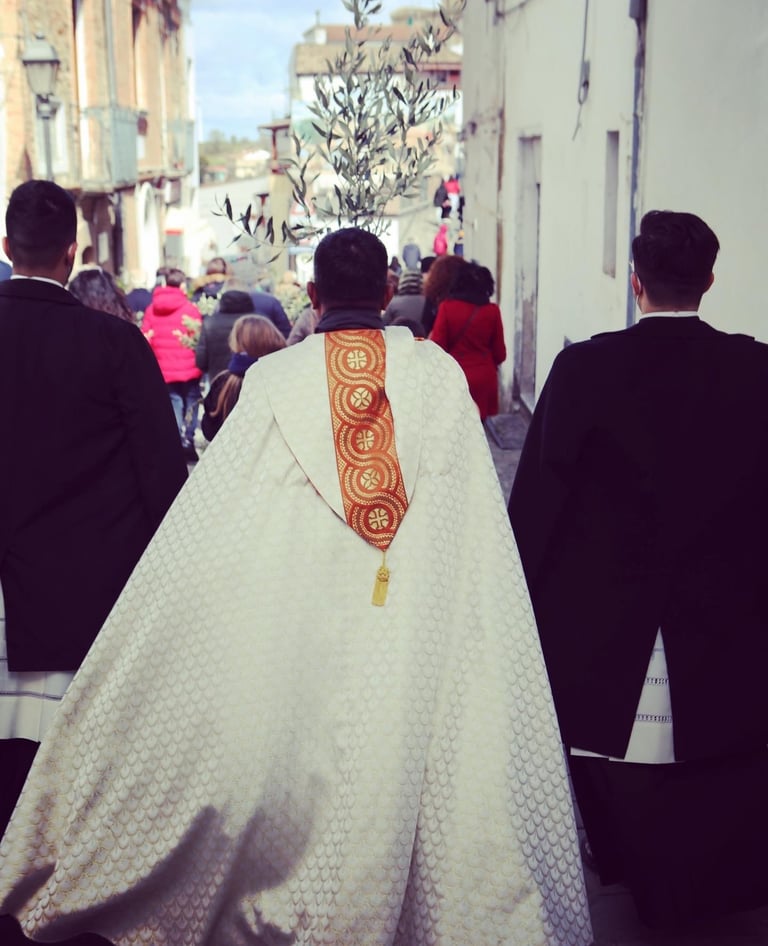
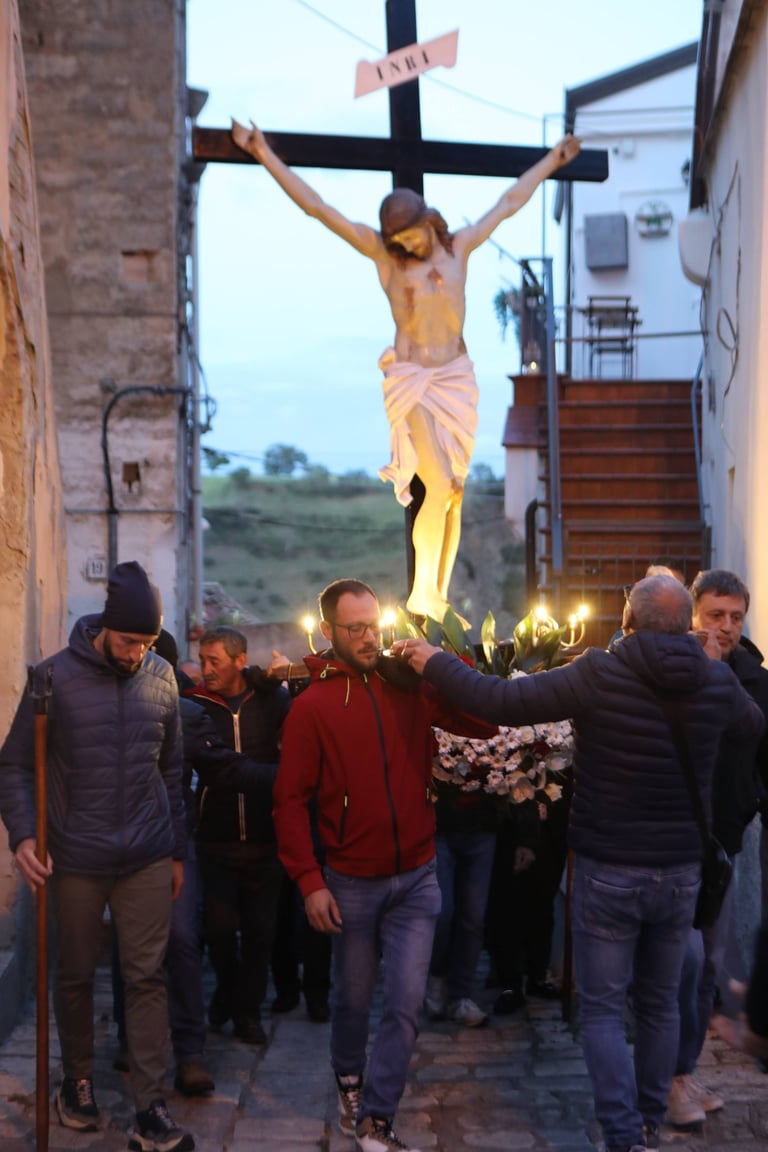
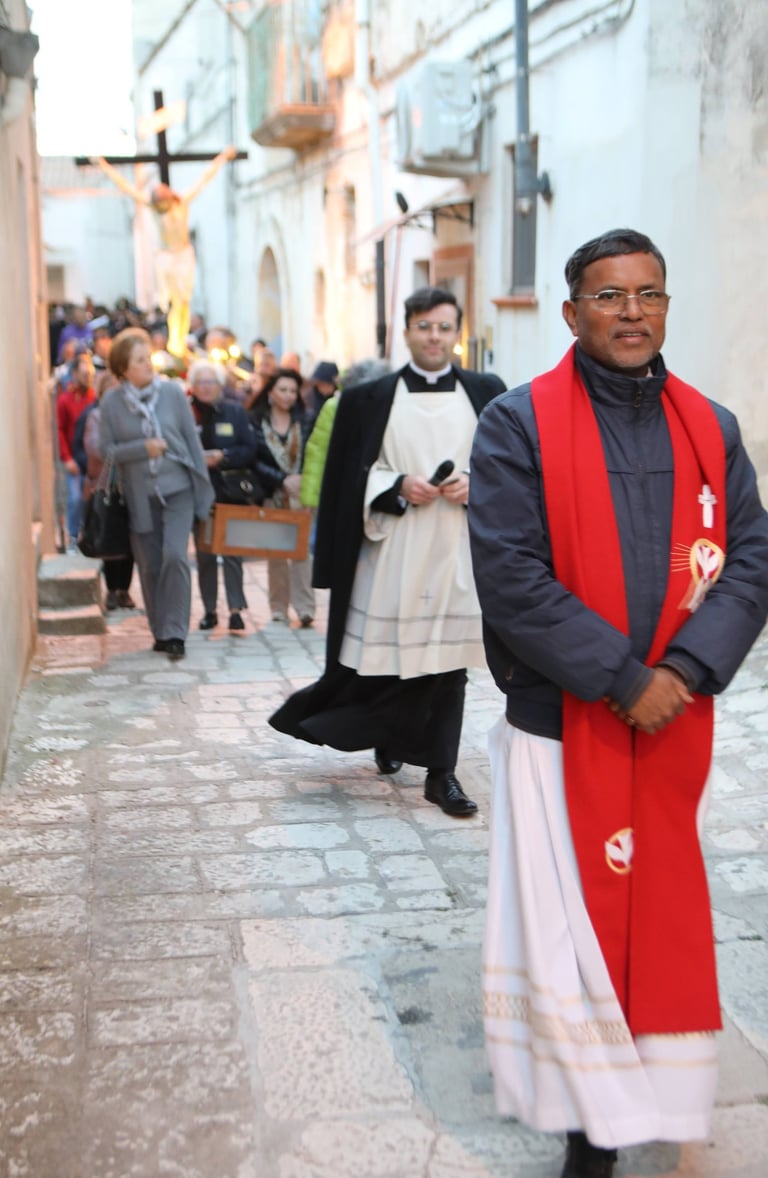
On August 16, the statue of San Rocco is carried in a solemn procession through the streets — a powerful moment where faith, tradition, and community come together. This is not a tourist spectacle; it is something deeply personal to the people of the town.
For anyone visiting, these days offer the most vivid glimpse into what village life truly means here.
Other Annual Religious Celebrations
Assunzione di Maria (Assumption of Mary)
Date: August 15
Celebrated with Mass and prayer
Closely tied to the opening of the San Rocco festivities
A quieter, reflective day before the height of celebration
Sant’Antonio Abate
Date: January 16
Traditional winter feast
Associated with rural life and the blessing of animals
Marked by church services and local devotion
Festa del Crocifisso
Date: May 3
Religious observance centered on the Holy Crucifix
Includes special Masses and parish gatherings
Reflects the spiritual heart of the community rather than public celebration
Fiera di San Luca
Dates: October 13 & 14
A smaller but well-loved local fair
Historically connected to seasonal rhythms and rural trade
Often includes food, informal markets, and community gatherings
Ongoing Religious Life in the Village
Beyond specific feast days, religious tradition is woven into everyday life in Grottole:
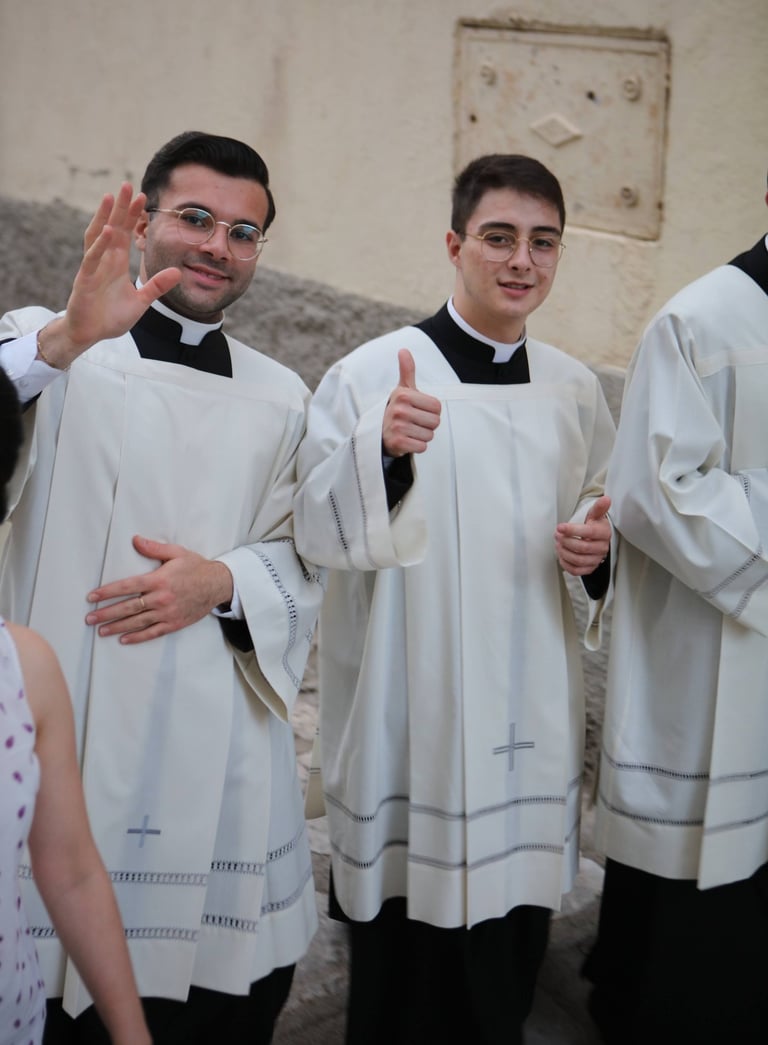
Holy Week & Easter – deeply observed with Masses and rituals
Christmas & Advent – quiet, family-focused, and centered around the church
Saints’ days & novenas – marked throughout the year
Processions – held on special occasions, reinforcing the shared life of the village
Churches are not just places of worship here — they are anchors of memory, tradition, and continuity.
A Note for Visitors
If you happen to be in Grottole during one of these celebrations — especially San Rocco — you are not just observing an event. You are stepping into a moment when the town feels whole again.
Participation in Practice
Participation in Grottole takes many forms and develops organically over time. It is shaped by individual initiative, coordination with local institutions, and a shared understanding that contribution matters more than visibility. Several ongoing efforts in the village reflect this approach.
In the historic part of town, a community garden is being created by Jim and Lori, residents from Texas who have made Grottole their home. Located within the ancient village fabric, the garden is intended as a shared space—open, practical, and rooted in daily use rather than presentation. It reflects a long-standing village relationship with food, land, and collective responsibility, adapted to present needs.
Alongside this, conversational English classes have emerged through cooperation with the local Comune. Separate sessions are held for adults and for children, focusing on practical language use rather than formal instruction. These classes are voluntary, informal, and shaped by the participants themselves. They exist as a tool for connection, not as a service, and evolve as relationships develop.
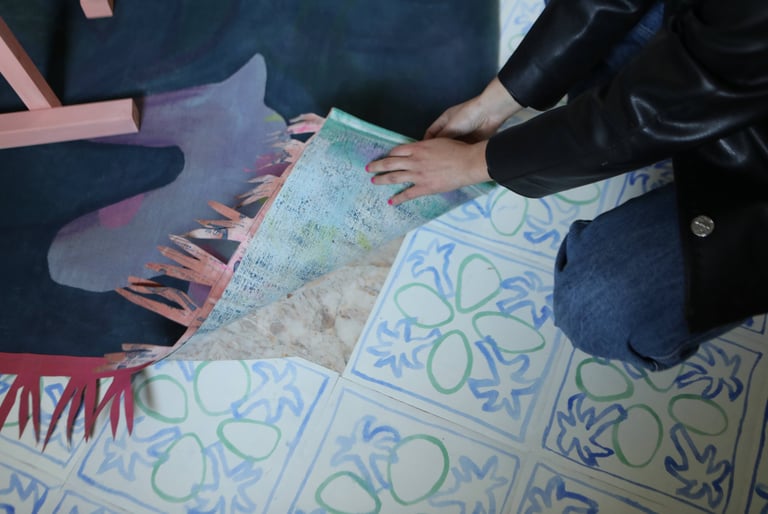
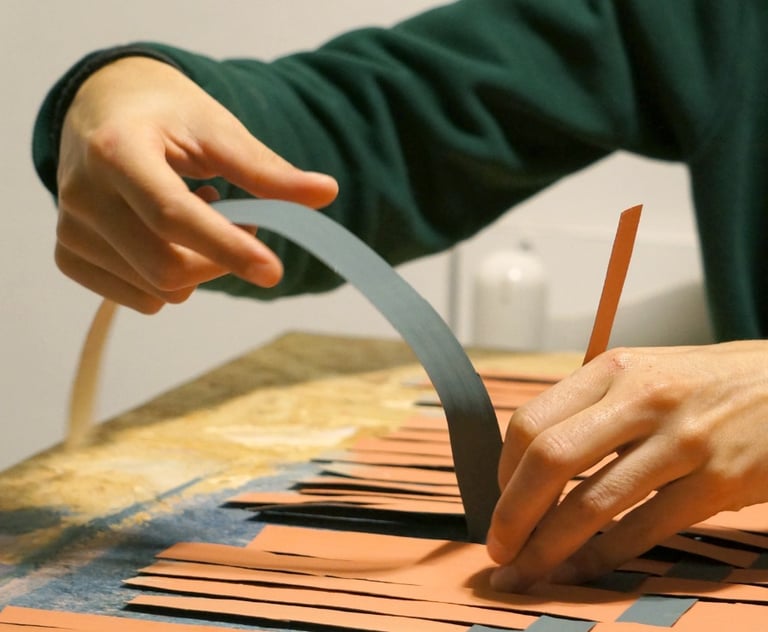
Creative participation also has a presence in Grottole. Through Wonder Grottole, Andrea Paoletti has established an artist-in-residence program that brings artists into the village to work, observe, and create within its rhythms. Rather than isolating art from daily life, the program encourages engagement with place, people, and context. The results—whether finished works or ongoing processes—reflect time spent living within the village rather than passing through it.
Together, these efforts are not presented as models to replicate, but as examples of how participation happens when people remain present, attentive, and willing to contribute. In Grottole, involvement grows through action and consistency, not formal structure.