Historical insight
An Ancient Village in Basilicata
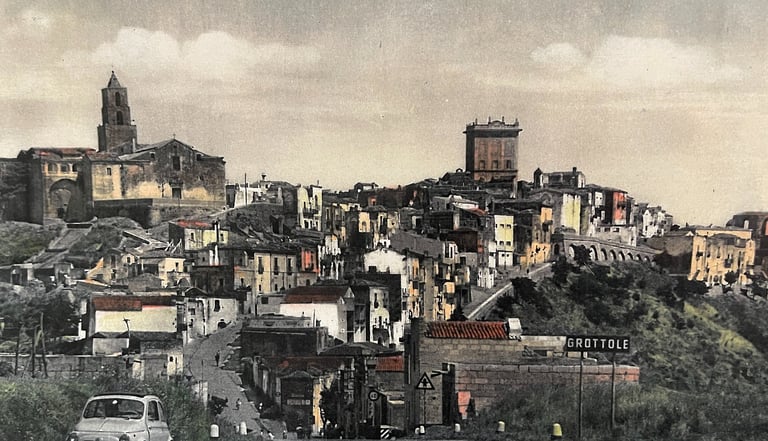
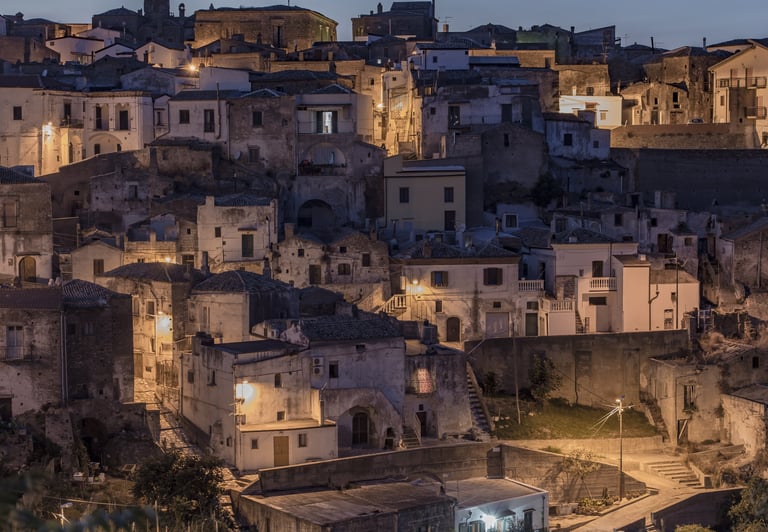
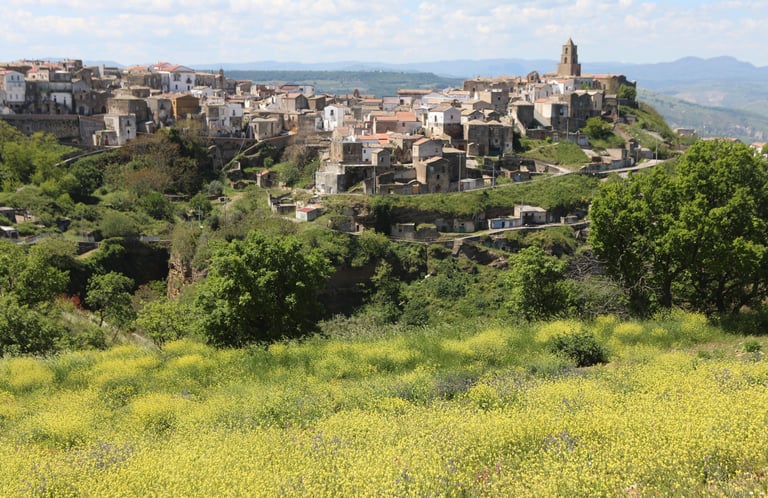
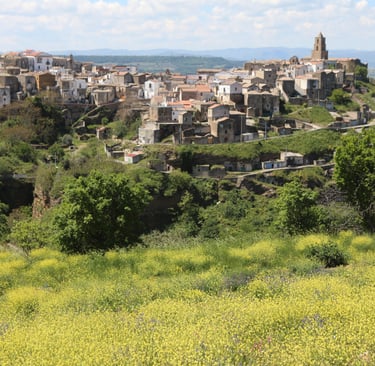
Grottole is a small hill town in the Basilicata region of southern Italy, an area shaped by agriculture, migration, and long continuity of settlement. The village sits on a ridge overlooking the Bradano River valley, a landscape that has supported human activity since antiquity. Its position reflects practical concerns: access to arable land, natural defensibility, and proximity to water routes that once connected inland communities to the wider Mediterranean world.
Archaeological evidence and historical records indicate that the area surrounding Grottole has been inhabited since pre-Roman times. Like many settlements in Basilicata, the village developed through successive layers of influence, including Italic populations, Roman administration, and later Lombard and Norman control. These layers are still visible today in the village’s layout, building materials, and land use patterns.
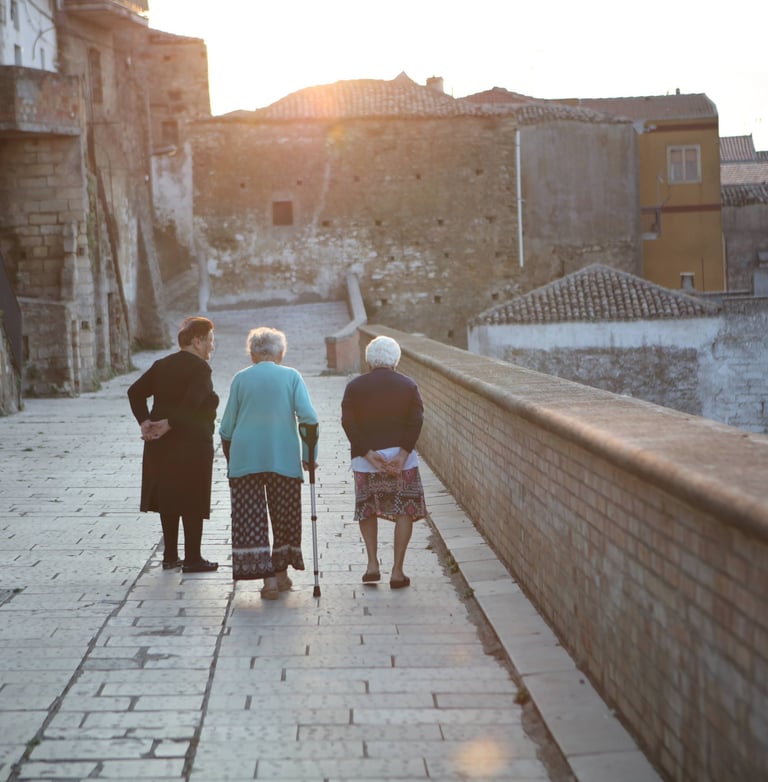
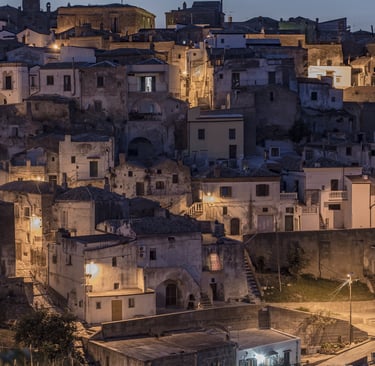
The historic core of Grottole grew organically rather than through formal planning. Narrow stone streets follow the contours of the hill, connecting homes, cantinas, and work spaces built directly into rock and earth. Buildings were constructed close together for protection from heat, wind, and seasonal weather, and to support the social structure of village life, where proximity reinforced cooperation and shared responsibility.
For centuries, Grottole has functioned as an agricultural community. Families have relied on olive groves, vineyards, grain fields, and small livestock holdings spread across the surrounding countryside. Much of daily life revolves around seasonal work: planting, harvesting, food preservation, and storage. Cantinas and caves beneath homes were essential infrastructure, used to make and store wine, cure meats and cheeses, preserve grains, and shelter tools. These spaces were never designed as living quarters, but as working environments that supported self-sufficiency.
Despite periods of hardship, including waves of emigration during the late nineteenth and twentieth centuries, Grottole has remained continuously inhabited. Many families who stayed maintained traditions not as cultural performances, but as practical knowledge passed down through generations. Methods of food preparation, agricultural practices, and social customs persist because they remain useful within the rhythms of village life.
Today, Grottole is not a preserved historical site or open-air museum. It is a living village, home to residents who maintain daily routines shaped by long-established traditions. The village has changed over time, but slowly, and largely from within. Modern life exists alongside older ways of living, creating a place where continuity is visible and tangible rather than symbolic.
Understanding Grottole requires attention to these layers of history and function. Its buildings, streets, and customs reflect centuries of adaptation to landscape, climate, and communal living. This depth is not immediately apparent to short-term visitors, but it becomes clearer through visits of a week or more where you can really start to see it's ancient ways alive to this day.
Where Grottole Is
Grottole is a small hilltop village in the Basilicata region of southern Italy. It is located inland, away from the coast and major tourist corridors, in a landscape shaped by agriculture, river valleys, and long-established farming communities. The village’s position reflects practical historical choices—access to land, defensibility, and proximity to farmland—rather than modern development.
Basilicata remains one of Italy’s least densely populated regions. Life here is quieter, more rural, and more locally focused than in many other parts of the country. Grottole’s location directly shapes daily life: routines are oriented toward residents, seasonal work, and long-standing relationships rather than through-traffic or short-term visitors.
What Grottole Is Near
Although inland, Grottole is not isolated. It sits within driving distance of both the sea and several major cities, while remaining distinct from them.
Approximate driving times:
25 minutes to Matera (UNESCO World Heritage Site)
1 hour to the Ionian coast
1 hour to Bari
2 hours 45 minutes to Naples
2 hours 50 minutes to the Amalfi Coast
These distances allow for occasional travel without shaping daily life around it. Grottole is not a suburb or satellite of a larger city; proximity provides access, not influence.
The Sea and Seasonal Life
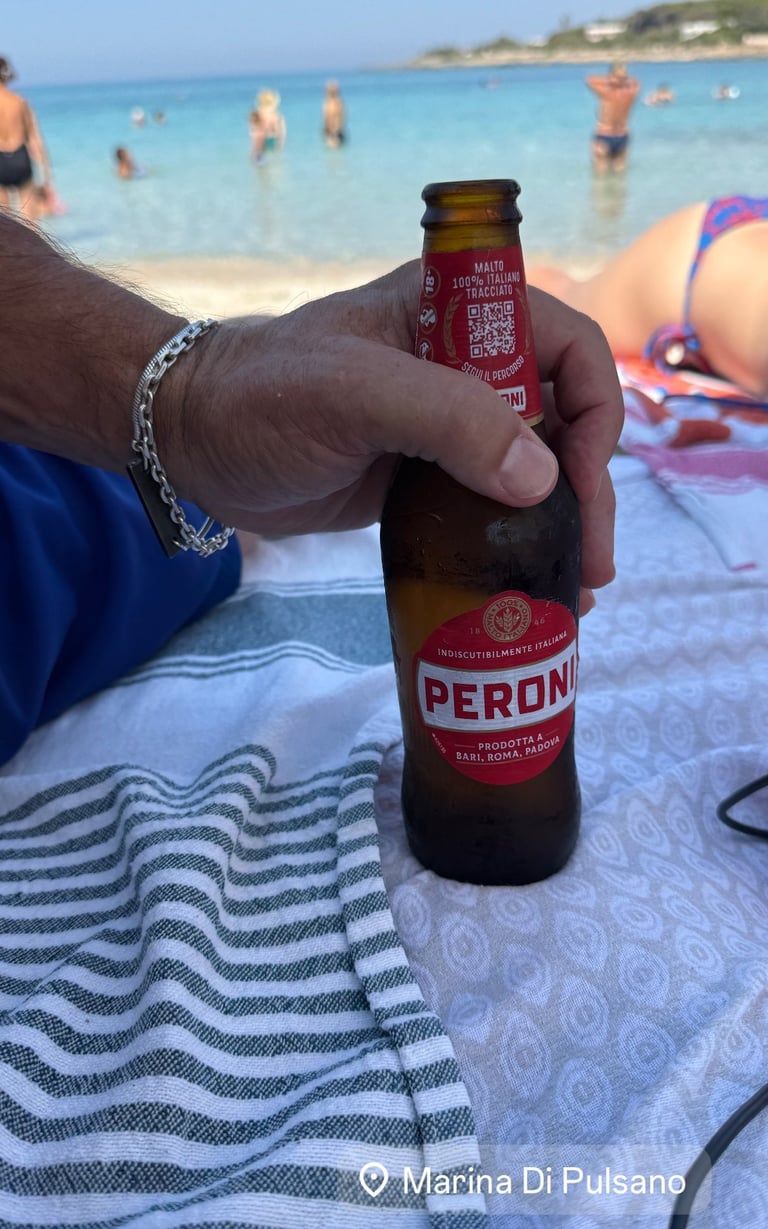
In southern Italy, going to the beach is not primarily a tourist activity, but a seasonal tradition. During the summer months, families and groups of friends often pack into cars and spend the day at the coast, returning to the village in the evening. This rhythm is familiar in Grottole, where the sea—about an hour away—becomes part of summer life without defining it.
Beach days are occasional and social rather than routine. They sit alongside village life rather than replacing it, fitting into a broader seasonal pattern that includes agriculture, religious events, and time spent outdoors.
Beyond the Village
While daily life in Grottole remains centered within the village, its location allows for occasional movement beyond it. These outings tend to be infrequent and purposeful, fitting around seasonal work, family obligations, and everyday routines rather than structured planning.
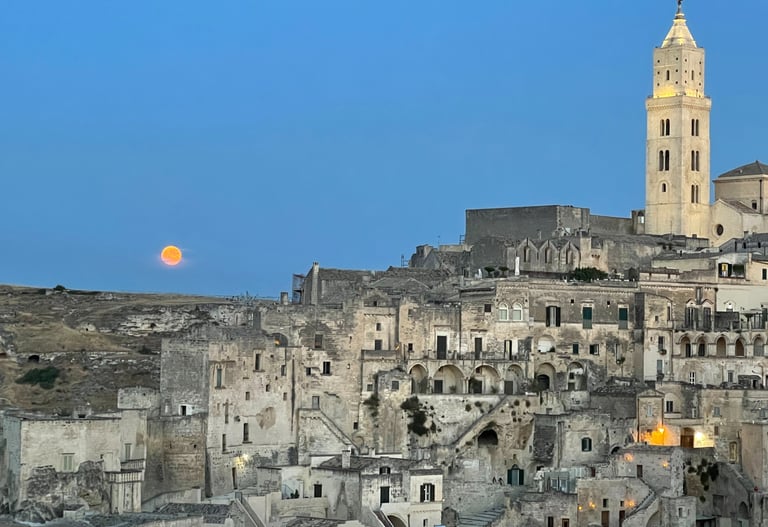
Matera, approximately 25 minutes away, is the closest neighboring city and plays an important practical and cultural role. Designated a UNESCO World Heritage Site, Matera is recognized as one of the oldest continuously inhabited cities in the world, with dwellings carved into stone that have been used for thousands of years. Locals visit Matera for healthcare, administration, and shopping, as well as for walks through the Sassi and surrounding ravines. Time spent there is often integrated into daily errands rather than treated as a separate excursion.
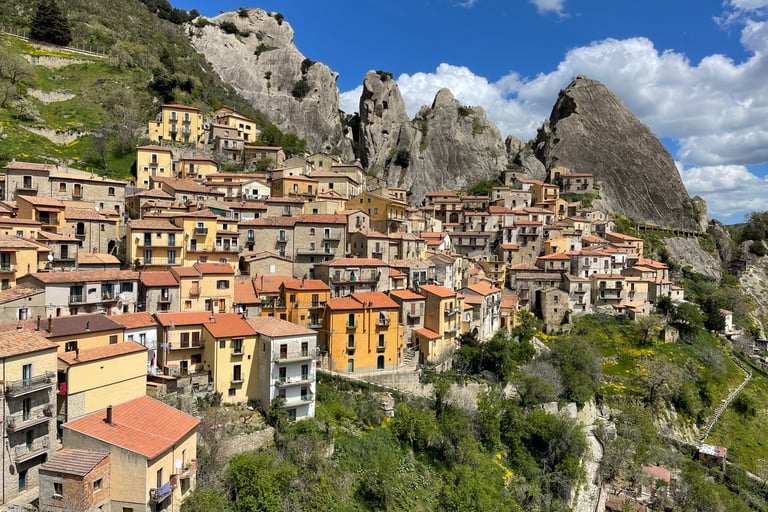
The surrounding landscape also includes smaller towns and natural areas that are visited occasionally. Castelmezzano, set within the Lucanian Dolomites, is known locally for its dramatic setting and mountain environment. Nearby, the Tibetan bridge is a recognizable feature of the area, often visited as part of a broader day spent in the mountains rather than as a standalone destination.
The San Giuliano Lake, just outside Matera, is part of a protected natural area and is used for quiet walks, birdwatching, and time spent outdoors. It offers a contrast to village and agricultural landscapes and is typically visited during warmer months.
Wine and food traditions also draw people outward from time to time. Venosa, historically significant and known for Aglianico del Vulture, is visited for wine tastings and regional history. These trips are usually occasional and social, fitting into a wider pattern of seasonal movement rather than routine activity.
Further afield, Alberobello in neighboring Puglia is known for its trulli architecture and is reached on occasion, often combined with other stops rather than as a singular focus. Puglia’s towns and coastal areas are accessible by car and form part of the broader regional landscape that surrounds Grottole.
Longer trips are typically reserved for weekends or specific times of year. Coastal destinations such as Maratea, Tropea, and the Amalfi Coast are reached less frequently and usually for brief stays rather than regular travel. These trips provide contrast to village life and tend to reinforce the appeal of returning to a slower, more contained rhythm afterward.
These movements beyond Grottole do not define daily life in the village. Instead, they provide geographical context—showing how Grottole remains connected to a wider region while retaining its own pace, continuity, and inward focus.


Getting to Grottole
Reaching Grottole is straightforward, but it requires understanding a few regional travel patterns. Because the village is inland and not on a major transit corridor, travel often involves a combination of train and car. This is normal for Basilicata and part of everyday life in the region.
By Air
Most people arrive in southern Italy through one of three airports:
Bari (BRI)
Naples (NAP)
Rome (FCO)
Each airport connects to Grottole slightly differently, but all are practical options depending on flight availability.
By Train
Train travel is a common and relaxed way to reach the area.
From Bari
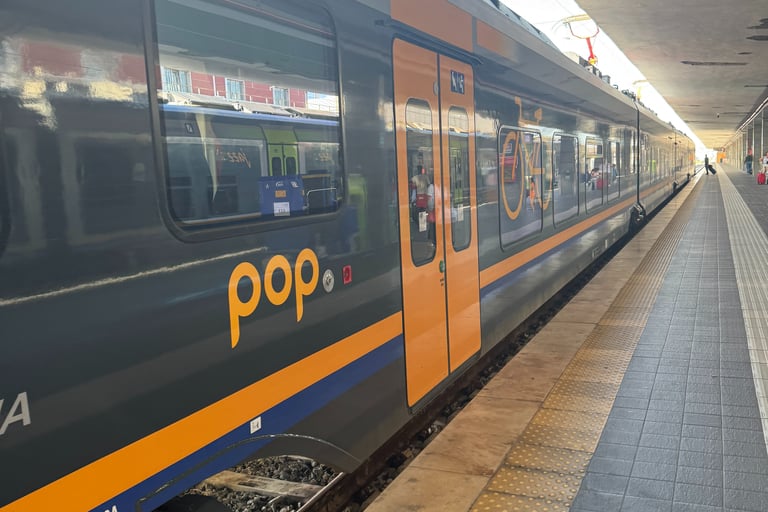
Regional trains connect Bari with the Basilicata interior. From Bari, trains travel toward the Matera / Ferrandina area, bringing you close to Grottole.From Naples or Rome
Regional trains from both Naples and Rome connect to Ferrandina or Grassano, the two closest train stations to the village.
From Ferrandina or Grassano, Grottole is a short drive away. We can help arrange a car pickup for the final portion of the journey if needed.
https://www.trenitalia.com/it.html
Infrastructure improvements are underway that will introduce a high-speed rail connection between Naples and Bari, with a future stop planned at the base of Grottole’s hill. This will further improve rail access while preserving the village’s separation from major traffic.
Many people find train travel through this region to be one of the most relaxed ways to approach Basilicata.
By Bus
Long-distance buses operate throughout Italy and Europe and offer another option for reaching the area. The closest stop to search for is Solandra, located at the base of the hill below Grottole. From there, the village is reached by a short car ride.
By Car
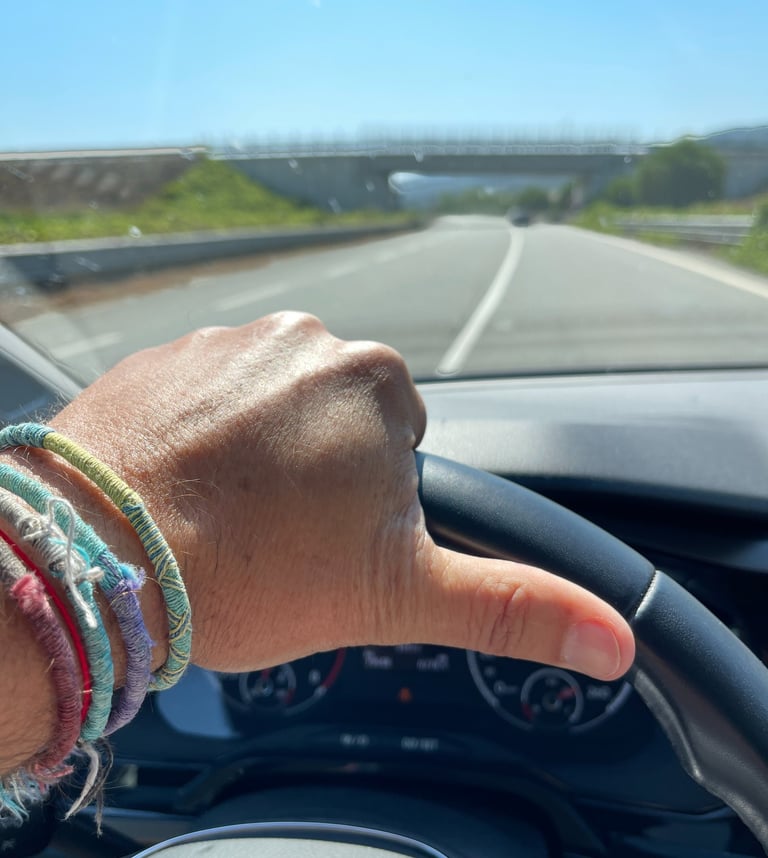
Renting a car is always an option and provides the greatest flexibility, particularly for moving between the village and surrounding countryside.
Car rentals are available at all major airports and train hubs
A valid driver’s license from your home country is accepted
An International Driving Permit is strongly recommended
Driving in the area is rural rather than fast, and roads reflect agricultural use rather than high-speed travel.
The Final Stretch
Regardless of how you arrive—train, bus, or car—the final approach to Grottole involves leaving major routes and heading uphill into the village. This last stretch is short but distinctive, marking the transition from regional travel into village life.
If you are unsure which route makes the most sense for you, we can help think through the simplest option based on where you are coming from.