€1 Homes in Italy — What to Know First
If you’re researching life in small Italian villages, you’ve almost certainly come across the €1 home programs. For many people, this idea is what first sparks curiosity about places like Grottole.
The concept is simple and compelling: an abandoned home, a symbolic price, and the possibility of starting a new life in Italy.
The reality, however, is more complex — and worth understanding before making decisions based on headlines. These homes can actually end up costing you more than what might be less expensive .... and better, in the long run.
Why €1 Homes Attract So Much Interest
The €1 home programs were created with good intentions. Many small towns were facing population decline and growing numbers of empty properties. Offering homes for a symbolic price was a way to draw attention and encourage reinvestment.
From a distance, it can sound like an unbeatable opportunity.
From up close, it often looks very different.
The Reality Behind the Price
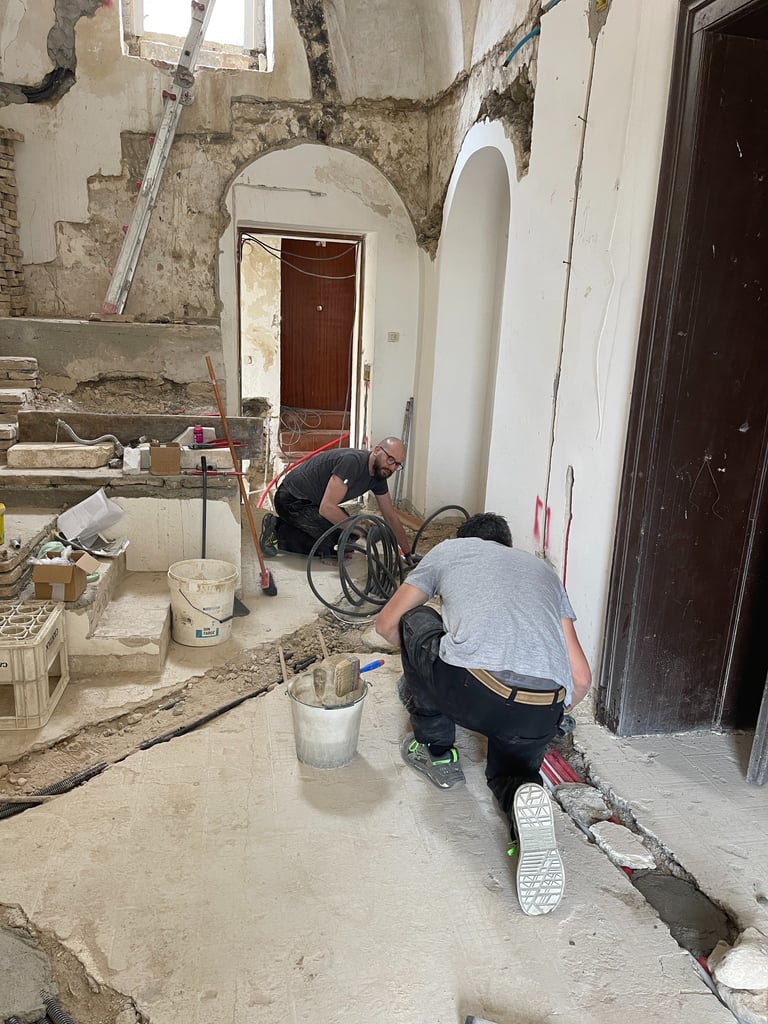
Despite the name, a €1 home is almost never a €1 home.
In most cases, buyers must:
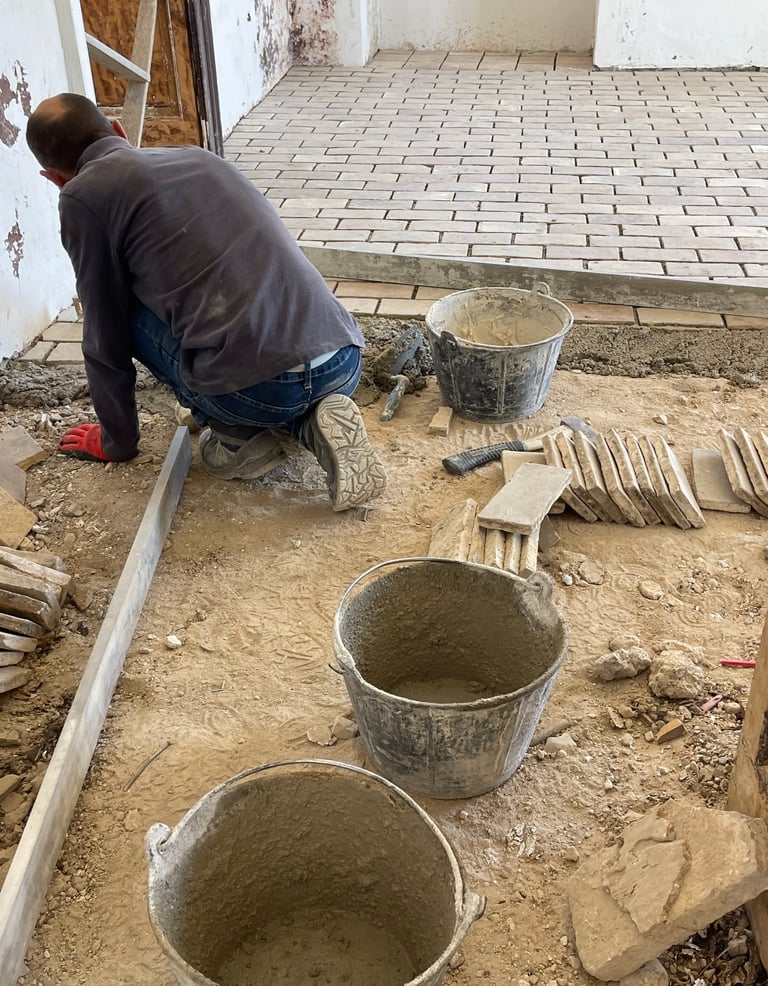
complete renovations within strict timelines
work with approved professionals
navigate permits and local bureaucracy
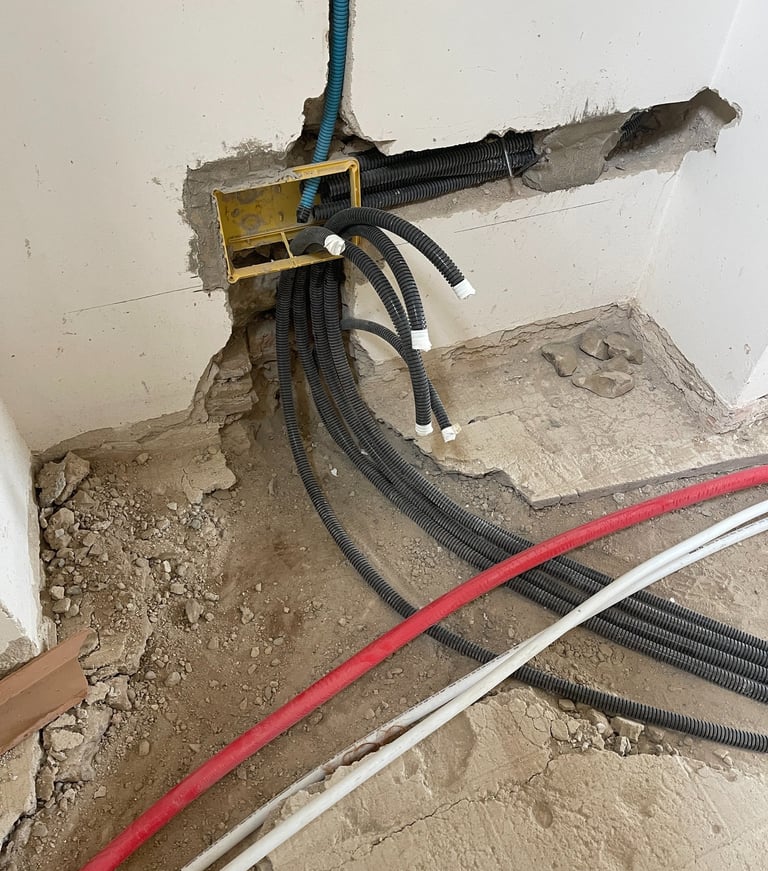
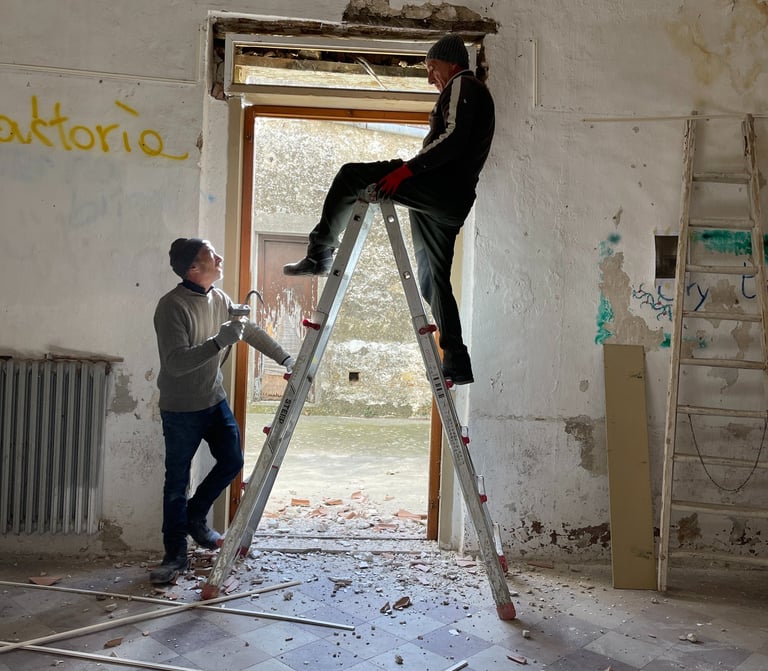
rebuild major structural elements and utilities
Once renovations begin, total costs frequently reach €50,000–€100,000 or more, and timelines can extend well beyond initial expectations.
For some people, this process is manageable.
For others, it becomes far more expensive and stressful than anticipated.
You’re Also Committing to a Fixed Layout
A less discussed reality is that a €1 home ties you to a specific property and floor plan from the start.
That often means:
limited flexibility with room sizes and layouts
fewer choices around light, windows, or outdoor space
locations within the village that may not suit your daily needs
Instead of choosing a home that fits your lifestyle, you’re adapting your lifestyle to an existing structure — one that may be difficult or costly to change.
A Note on DIY Renovation
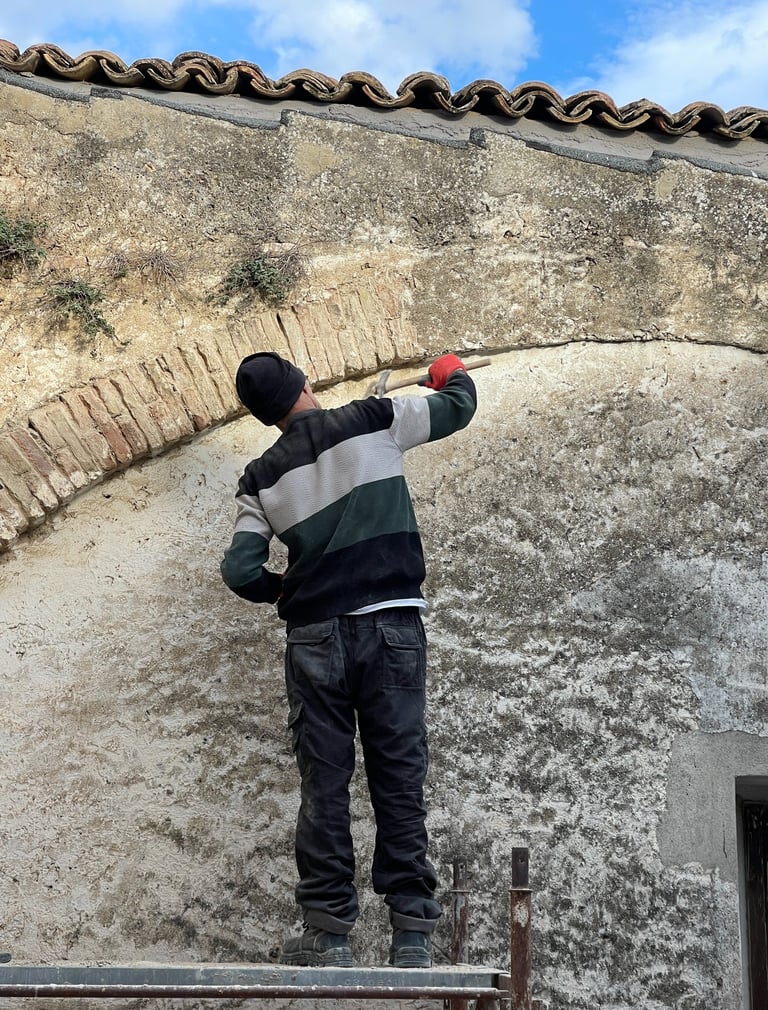
Many people, especially from North America, are accustomed to do-it-yourself renovation. That instinct makes sense — but construction methods in Italy are very different.
In North America, homes are typically built with wood framing and sheetrock.
In Italy’s historic villages, homes are usually built from stone and mortar, often centuries old.
While these techniques can be learned, they involve:
a much longer learning curve
different materials and tools
slower progress
higher consequences for mistakes
Even with online tutorials, working with stone structures is time-consuming and often requires local expertise.
The Bigger Question: Fit
The real issue isn’t the price of the house.
It’s whether the village itself works for you.
Daily life in a small Italian town is shaped by:
language
pace
climate
services
social rhythms
These are things you can only understand by spending time there — not by purchasing a property based on a program.
Rethinking “Value”
In practice, many people spend less overall by purchasing a modest existing home that:
is structurally sound
already has utilities
can be lived in immediately
allows for gradual improvement
Just as importantly, starting with a place you enjoy often leads to better long-term outcomes — financially and personally.
Sometimes the best value isn’t the cheapest option on paper, but the one with fewer constraints and fewer surprises.
A Slower, More Grounded Approach
Rather than choosing a village based on a program or a price tag, we believe it makes sense to:
spend time in a place
live through different seasons
experience daily routines
build relationships
Only then does ownership — of any kind — really make sense.
For some, a €1 home is still the right path.
For others, renting first or buying an existing home leads to a better fit and a smoother experience.
Final Thought
The €1 home programs have succeeded in one important way: they’ve reminded people that small villages still exist — and that they offer something many are searching for.
What matters most isn’t finding the cheapest house.
It’s finding a place where you can imagine building a life.
This page is for people curious about low-priced homes — not to sell them, but to explain what the reality looks like.
“€1 home” and “cheap homes in Italy” pages are incredibly popular. It’s easy to see a photo and think that place is so cute — or to feel that if a home is cheap enough, you’d be happy living almost anywhere. But those reactions usually miss two important questions: how much will that €1 home really end up costing, and is it actually in a place where you’d want to live and feel happy long-term?